
Macronutrient Patterns in Minimally Processed Diets
Macronutrients—proteins, carbohydrates, and fats—provide energy and structural components. Whole foods naturally present these in varied proportions reflecting their biological origin and function. Understanding natural macronutrient combinations reveals how minimally processed foods structure nutritional intake.
Protein Sources and Naturally Occurring Patterns
Animal-based protein sources—meat, poultry, fish, dairy, and eggs—deliver complete proteins containing all essential amino acids. Fish additionally provides omega-3 fatty acids; dairy contains calcium and casein proteins; eggs offer lutein and choline alongside protein. These foods demonstrate how natural protein sources bundle complementary nutrients.
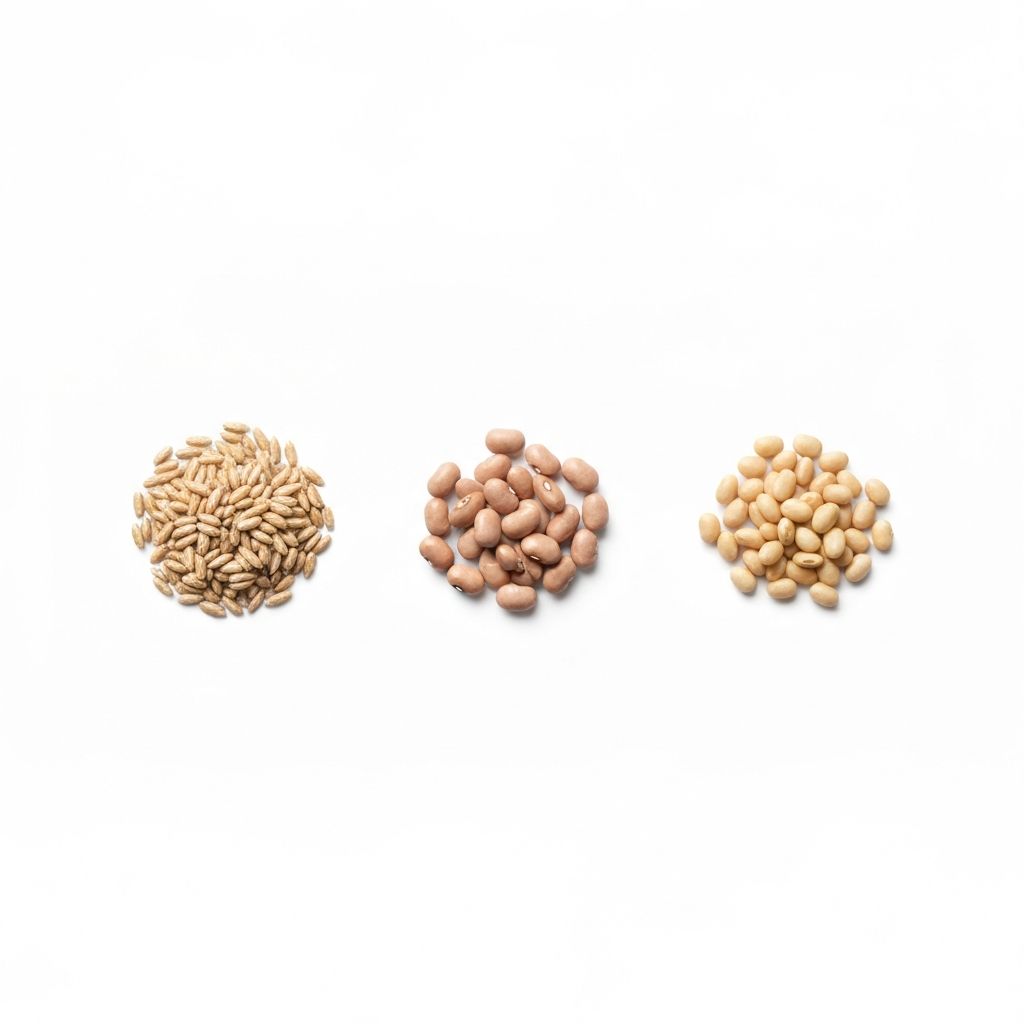
Plant-based protein sources—legumes, grains, nuts, and seeds—typically provide incomplete proteins individually but combine them across meals or within single foods. Legumes pair proteins with fiber and carbohydrates; whole grains combine protein with B vitamins and fiber; nuts and seeds deliver protein, healthy fats, and micronutrients. This natural combination pattern differs fundamentally from isolated protein supplements.
Carbohydrate Structure in Whole Foods
Whole grains—oats, brown rice, quinoa, barley—contain complex carbohydrates in their cellular structure alongside fiber, B vitamins, and minerals. Vegetables provide carbohydrates as part of fiber-rich matrices. Fruits combine carbohydrates with fiber, water, and phytonutrients. Legumes present carbohydrates with protein and fiber simultaneously. These combinations affect digestion rates, nutrient absorption, and satiation patterns compared to refined carbohydrate sources.
Fat Composition in Natural Foods
Nuts and seeds deliver unsaturated fats alongside protein, fiber, and micronutrients. Fatty fish provides omega-3 fatty acids with high-quality protein and vitamin D. Avocados contain monounsaturated fats with fiber and potassium. Eggs offer cholesterol alongside fat-soluble vitamins and choline. These natural fat sources combine lipids with complementary nutritional compounds absent from isolated fat supplements.
Synergistic Nutrient Combinations
Natural foods demonstrate nutrient combinations that enhance absorption and function. Vitamin C in citrus fruits increases iron absorption from legumes consumed in the same meal. Fat in nuts enhances absorption of fat-soluble vitamins from vegetables eaten together. Fiber in whole grains affects the absorption rate of carbohydrates and minerals. These synergistic patterns reflect nutritional wisdom emerging from evolutionary food selection and modern biochemistry.
Evolutionary and Bioavailability Considerations
Whole foods present macronutrients in proportions reflecting their biological purpose. Seeds contain carbohydrate and fat stores for plant growth alongside proteins and protective compounds. Muscle tissue naturally combines protein with vitamins and minerals supporting tissue function. These patterns suggest that natural macronutrient ratios support efficient nutrient utilization and metabolic processes.